
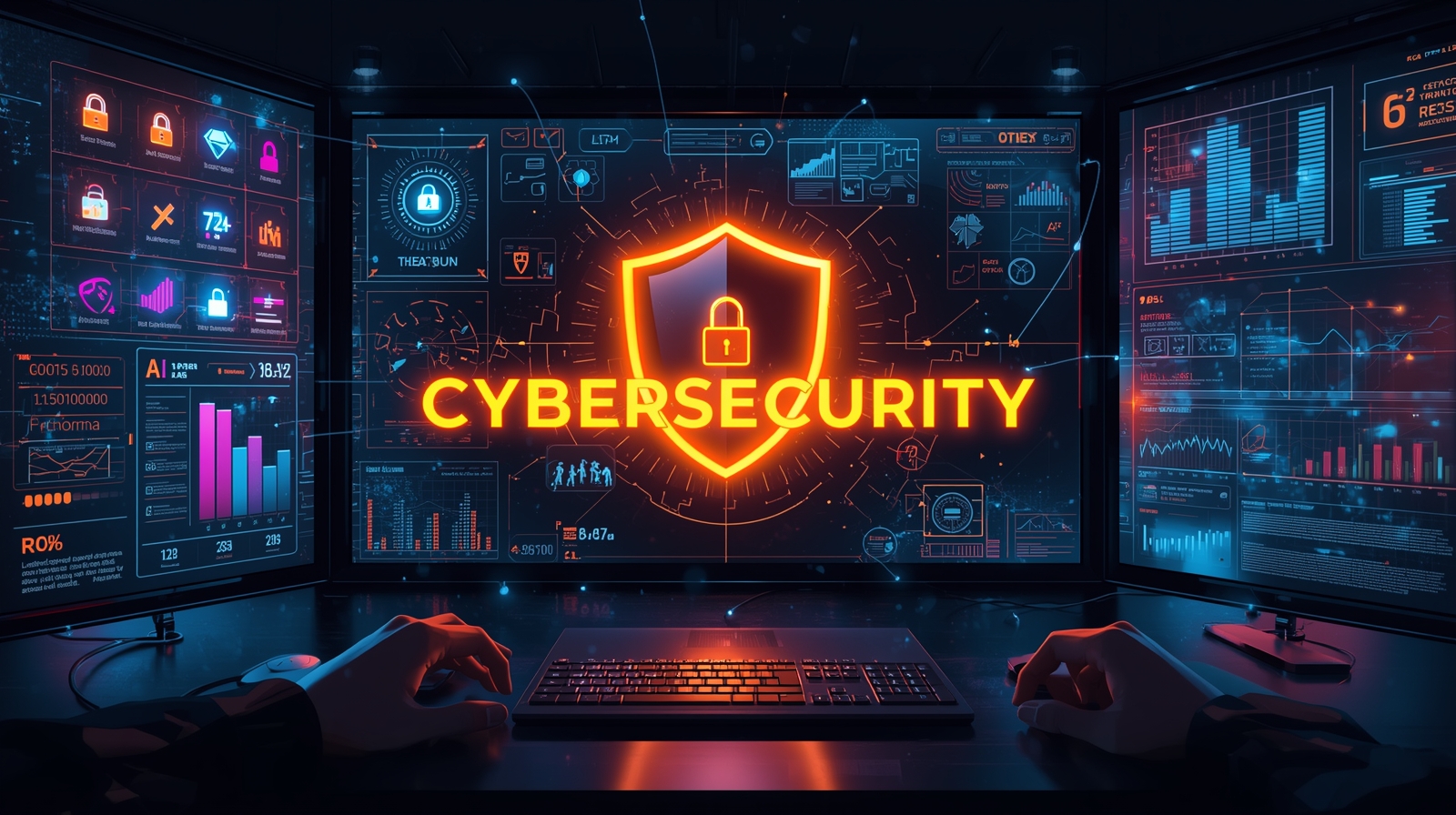
In today’s digital-first world, businesses run on technology more than ever—from cloud platforms and online payments to customer data and remote teams. With this growth comes a new challenge: cybersecurity for businesses. Companies of every size are now exposed to cyber threats, making security not just an IT requirement but a core business priority.
This blog explains why cybersecurity is the top concern for modern companies, the risks they face, the benefits of strong protection, and how to build a future-ready security strategy.
The Rising Importance of Cybersecurity in the Digital Era
Cyberattacks are no longer rare—they are happening every second across the world. Businesses rely on technology for almost everything, which means one security breach can break trust, stop operations, or cause huge financial loss. This is why cybersecurity for businesses plays a vital role in protecting both digital and physical assets.
Cyber Threats Are Growing Faster Than Ever
Cybercriminals now use advanced tools like AI, automation, and phishing kits to attack companies. Even small businesses are at risk because hackers know they often lack strong protection.
Common attacks include:
- Ransomware
- Phishing scams
- Malware infections
- Data breaches
- DDoS attacks
To survive in this environment, companies must treat cybersecurity for businesses as a strategic investment rather than an optional task.
Why Cybersecurity Is the No.1 Priority for Businesses
1. Protects Sensitive Customer Data
Customers trust businesses with financial information, identity details, and personal data. A single breach can expose thousands of records, damaging reputation instantly. Strong cybersecurity for businesses helps prevent data leaks and keeps customer trust intact.
2. Prevents Operational Shutdowns
Cyberattacks can stop your entire website, store, or internal systems from working. Ransomware alone can block access until a ransom is paid. Reliable cybersecurity for businesses ensures operations run smoothly without interruptions.
3. Saves Huge Financial Costs
Data breaches cost companies millions due to:
- Loss of revenue
- Recovery expenses
- Legal penalties
- Compensation payouts
Investing early in cybersecurity for businesses is always cheaper than dealing with a breach.
4. Builds Customer Trust and Brand Reputation
People prefer brands that protect their information. Showing commitment to cybersecurity for businesses gives your company a competitive advantage.
5. Mandatory Compliance and Legal Requirements
Industries like finance, healthcare, and ecommerce must follow strict security laws. Businesses can face heavy fines for non-compliance. Strong cybersecurity for businesses ensures all rules are followed.
6. Secures Remote and Hybrid Work Culture
Remote work has increased cyber risks. Employees working from home networks are easier targets. Companies with strong cybersecurity secure devices, networks, and cloud systems from external threats.
7. Protects Intellectual Property (IP)
Brands, software, designs, and business strategies are valuable. Hackers often target IP to sell or exploit. Cybersecurity for businesses protects these assets from theft.
The Most Effective Cybersecurity Practices for Modern Companies
1. Strong Password Policies & MFA
Complex passwords and multi-factor authentication (MFA) add layers of safety.
2. Regular Security Audits
Routine checks help identify vulnerabilities before hackers do.
3. Employee Training & Awareness
Most breaches happen due to human error. Training is critical for cybersecurity for businesses.
4. Data Encryption
Encryption protects information even if systems get hacked.
5. Secure Cloud Configurations
Cloud platforms need proper settings, monitoring, and backup systems.
6. Endpoint Protection
Laptops, mobiles, and devices must be secured.
7. Backup and Disaster Recovery Plan
A strong backup system ensures businesses continue to run even after an attack.
8. Firewalls & Antivirus Solutions
These tools block malicious traffic and protect system health.
The Future of Cybersecurity for Businesses
With technological advances, the future will bring:
- AI-based security monitoring
- Zero-trust frameworks
- Automated threat detection
- Biometric authentication
- Quantum-level encryption
Companies that prioritize cybersecurity for businesses now will stay safer, more stable, and more competitive in the future.
FAQs
1. Why is cybersecurity so important for businesses today?
Because cyberattacks are increasing and businesses store sensitive digital data.
2. Which industries are most targeted by hackers?
Ecommerce, finance, healthcare, IT services, and small businesses.
3. Can small businesses also get hacked?
Yes—small companies are easier targets because they have weaker security.
4. How often should a business update its cybersecurity plan?
Every 3–6 months or whenever new risks appear.
5. What is the first step to improving cybersecurity?
Start with an audit and fix basic vulnerabilities like passwords, access control, and backups.